

Photography is time travel.
I don't mean that metaphorically, or at least not entirely. When I look at an image I made on a street in Stockholm in 2013, I am there. Not remembering being there — being there. The quality of light on wet cobblestones, the particular angle of a stranger's stride, the way the air felt cold and clean and full of possibility. The photograph doesn't remind me of the moment. It is the moment, crystallized in silver halide logic, preserved in luminance values that my brain decodes back into lived experience.
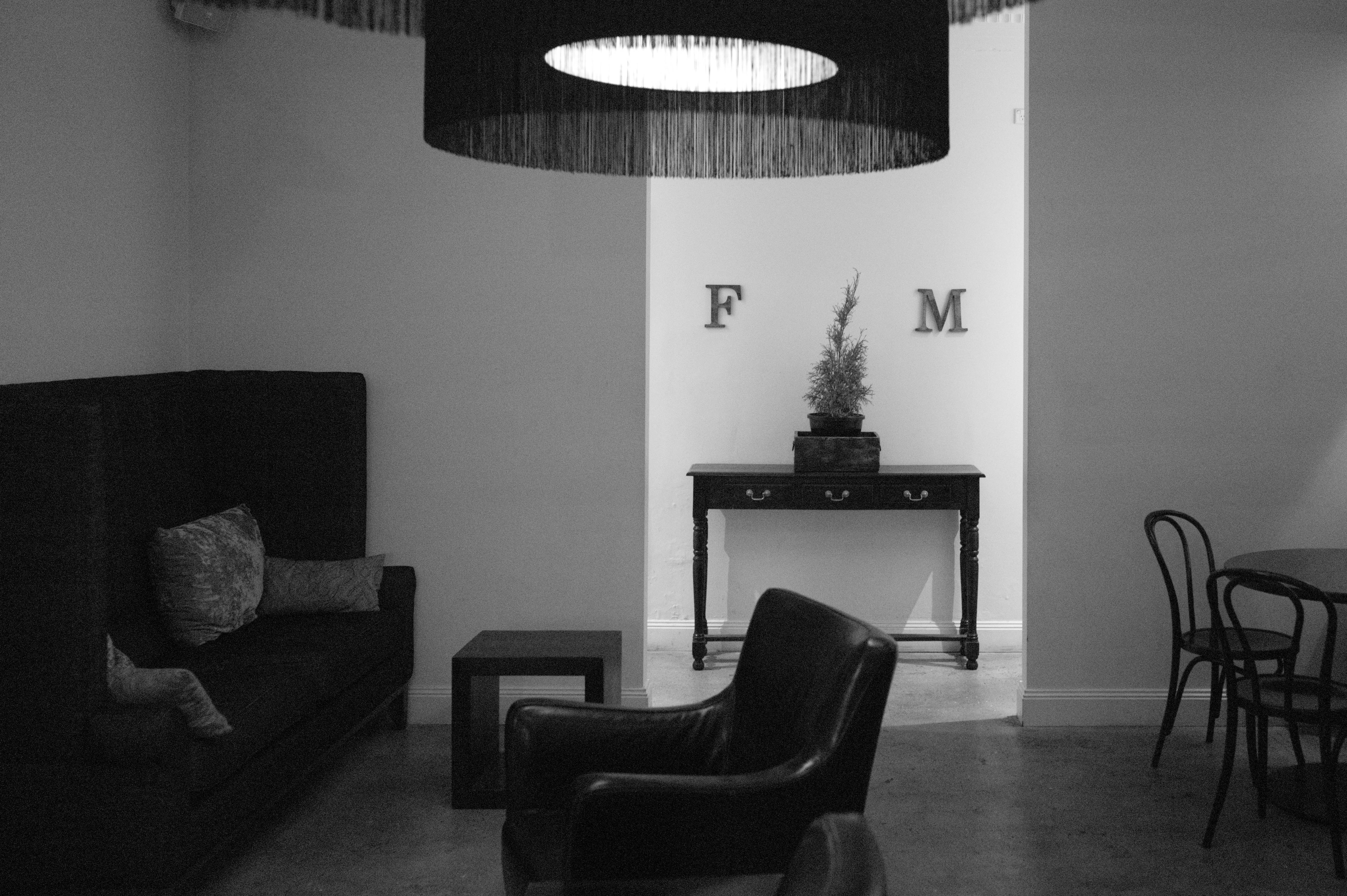
I've been shooting since I was a teenager, and over the years I've built something I'm genuinely proud of: a library of over 60,000 high-quality images sitting in Apple Photos. Street photography from six continents. Portraits. Architecture. Studies of light and shadow that I spent years learning to see. This body of work represents thousands of hours of walking cities with a camera, learning to notice, learning to wait for the moment when perception and composition align into something worth preserving.
I think photography might be the ultimate art form. That's a bold claim, and maybe in five years it'll seem naive, but I believe it. Painting interprets. Music evokes. Writing describes. Photography captures. It records not just an image but a perception — the photographer's exact relationship to light, space, and time at a specific instant that will never recur.I explored this idea in my Leica Camera Blog interview back in 2013: "Street photography is more than an art; it's a world view. The act of taking a photo records not only an image, but a perception."
Software engineering is building castles in the sky. Photography lets me explore the tangible castles that exist in the material world. Both require pattern recognition, both reward patience, both demand that you see what's actually there rather than what you expect to see. But code is abstract. A photograph is evidence that you were alive, in a place, seeing something worth seeing.
The Instrument
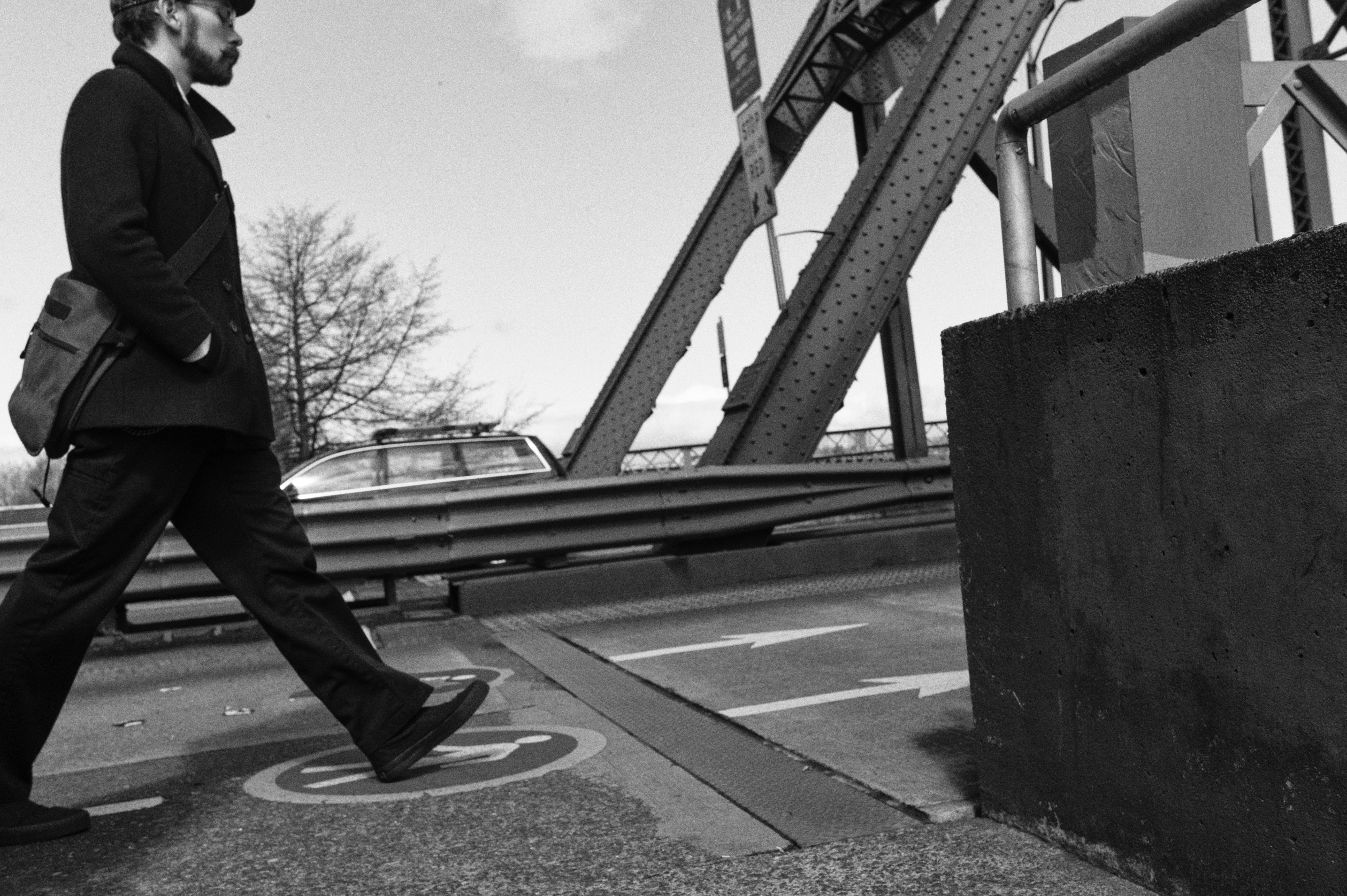
For years, my primary camera was a Leica M Monochrom with a 35mm Summicron permanently mounted. One camera. One lens. No color. No zoom. No autofocus.
People thought I was insane. Why would you spend that much money on a camera that only shoots black and white? I wrote a whole essay defending this choice back in 2013, and I still stand by every word of it — The Misunderstood Leica Monochrom remains one of my favorite pieces I've ever written, because it's really about something deeper than camera specs.
Color perception is a construct of the human mind. By capturing only luminance, you get one step closer to perceiving things as they truly are. Strip away the color and what remains is form, light, shadow, geometry, emotion. The Monochrom's sensor, without a Bayer filter, resolves detail that color cameras literally cannot see. It's not a limitation. It's a liberation.This maps directly to my philosophy of constraints fostering creativity. One camera, one lens, no color — and suddenly you stop thinking about gear and start thinking about seeing.
The 35mm focal length became an extension of my eye. I could look at a scene with bare vision and know precisely where the framelines would fall. That kind of intimacy with a tool — where the boundary between instrument and intention dissolves — is rare and precious. Programmers sometimes feel it with a language they've mastered. Musicians feel it with an instrument they've played for decades. I felt it with that camera.
The Work
I shot everything. Streets in Tokyo, Jerusalem, Dublin, Singapore, San Francisco, New York. The texture of old buildings in Winchester, Virginia. Candid moments of strangers mid-stride, mid-thought, mid-life. I traveled the world for open source conferences and spent every free hour walking with the Monochrom, hunting for light.
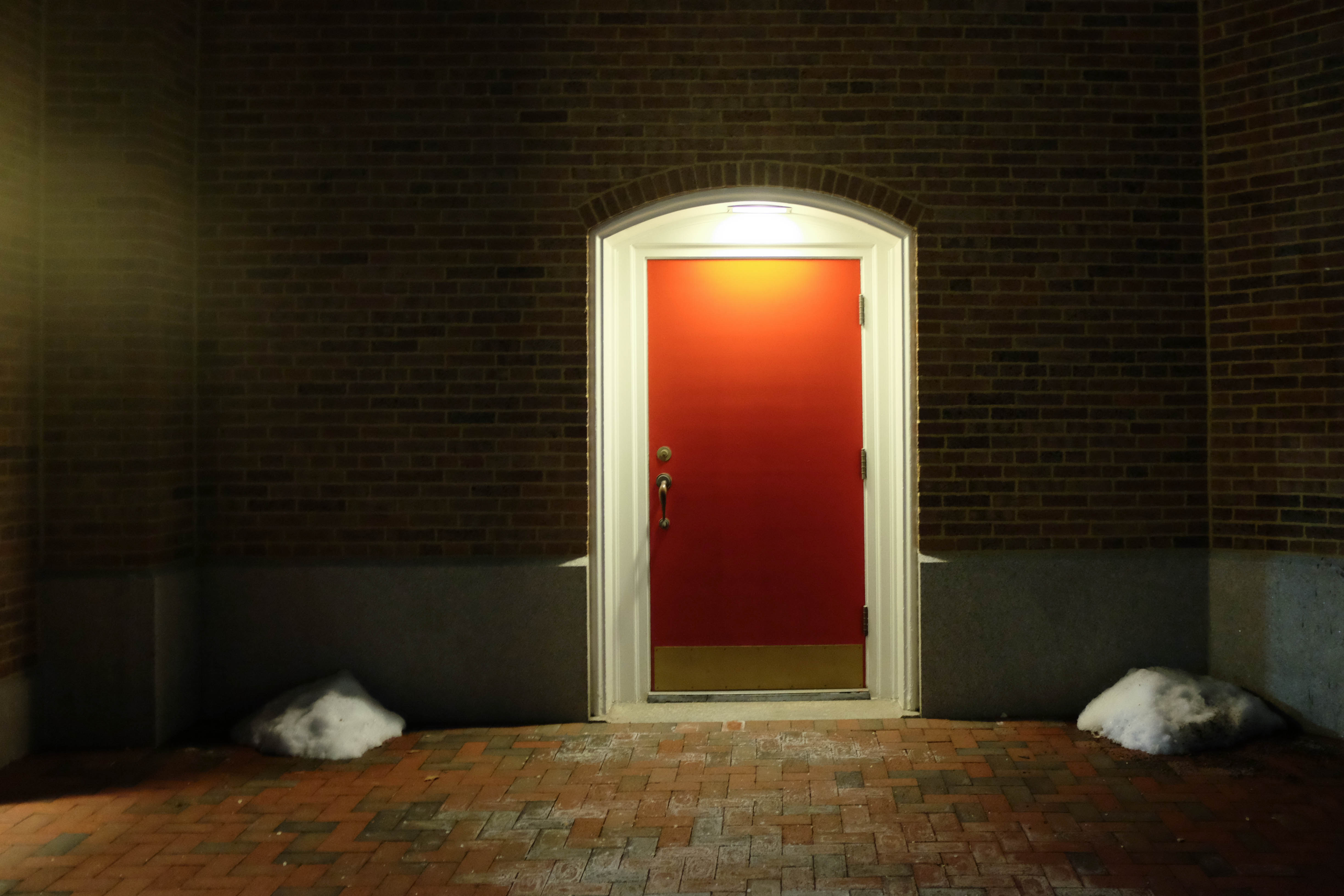
Some of my favorite work lives in curated collections on this site. The Top 12 represents images I keep coming back to — the ones that still surprise me years later. The Reds collection is an exercise in finding the one color the Monochrom couldn't capture, rendered instead as luminance values that somehow suggest warmth without showing it.

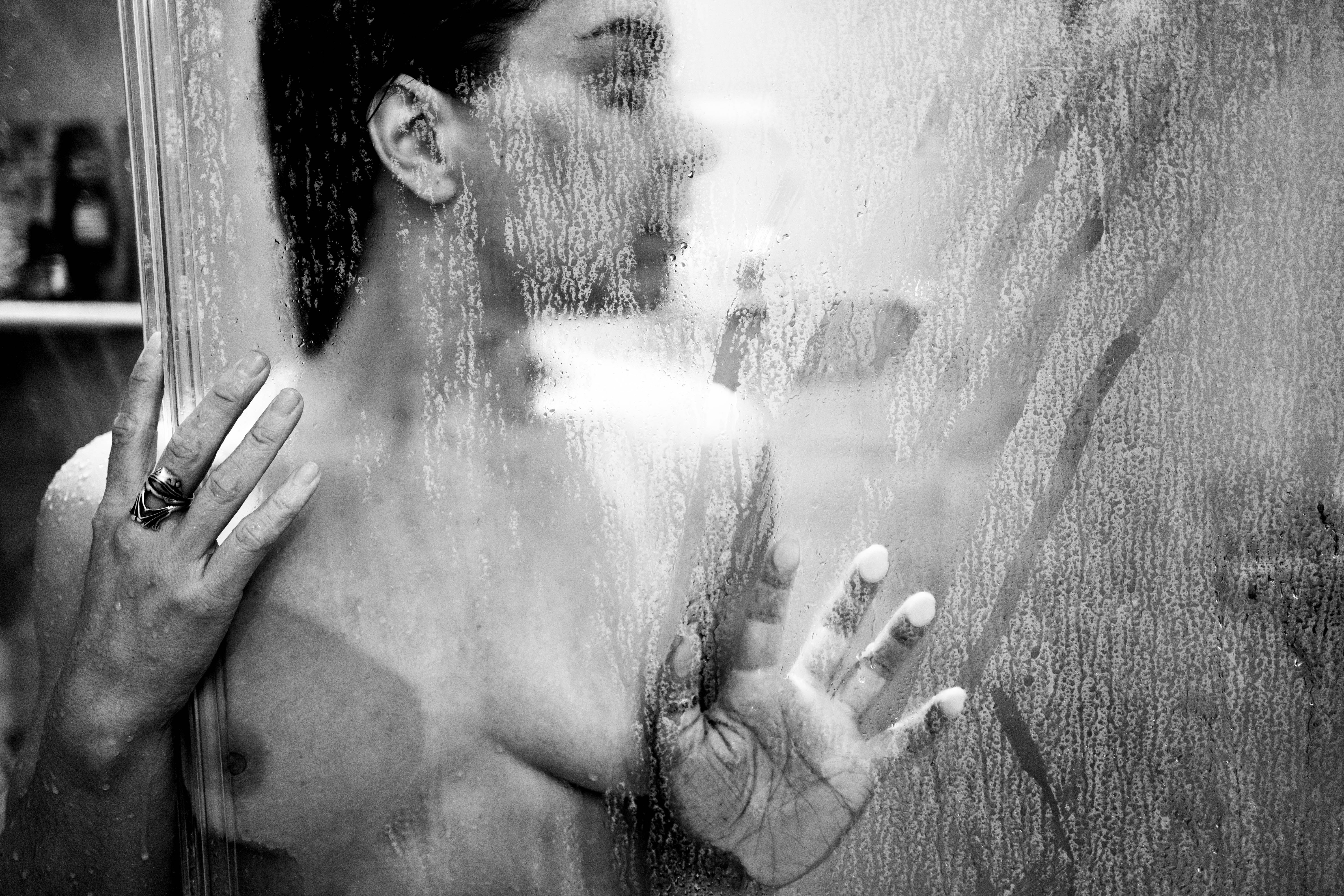
There's also a collection I'm proud of that requires a content warning: The Female Form (NSFW) explores the most painted, sculpted, and photographed subject in art history. These are studies of light and form in the classical tradition — the same subject that occupied Henri Cartier-Bresson, the Renaissance masters, and every life drawing class in every art school that has ever existed. I include it here because omitting it would be dishonest about the scope of the work.
All of this — years of shooting, thousands of hours of walking and looking and waiting — sits in a library of 60,000+ images. The full photography section of this site shows a fraction. The rest lives in Apple Photos, organized and graded and largely unseen.
The Nowhere
Here's the part that hurts.
There is no good platform for sharing photography anymore. Not really. Flickr was once the greatest photo community on the internet — a place where serious photographers showed serious work, gave serious feedback, and formed genuine creative communities. It's deteriorating. 500px went the same way. Instagram optimized for engagement over quality and compressed everything into algorithmic mush. The platforms that understood photography as an art form have either died or been hollowed out by the same engagement machinery that eats everything beautiful.
You can host images yourself — which is what I do, here on this site — but a personal site without a community around it is a gallery with no visitors. The golden age of photo-sharing is gone, consumed by the same forces I write about in the Algorithm Eats series. Photography communities were one of the first things the attention economy devoured, because beautiful images generate engagement, and engagement can be monetized, and once you optimize for monetization the beauty becomes secondary to the scroll.
So the work exists. Sixty thousand images. A legacy with no home.
The Ceiling You Can't Un-See
And then there's the gear question, which is really a question about identity and loss.
Once you've shot with a Leica M Monochrom and a Summicron — once you've held that build quality, felt that shutter, seen what that sensor can do in near-darkness — you can't go back. You can't pick up a consumer camera and feel the same thing. The experience creates a ceiling in your perception of what photography is, and that ceiling doesn't lower just because your circumstances change.
My income level changed. Life happened. The Monochrom isn't something I can casually replace. And here's the thing about high-end photographic instruments: they aren't luxury goods in the way people think. They're precision tools that produce qualitatively different results. The gap between a Summicron and a kit lens isn't about status. It's about what the glass can see.
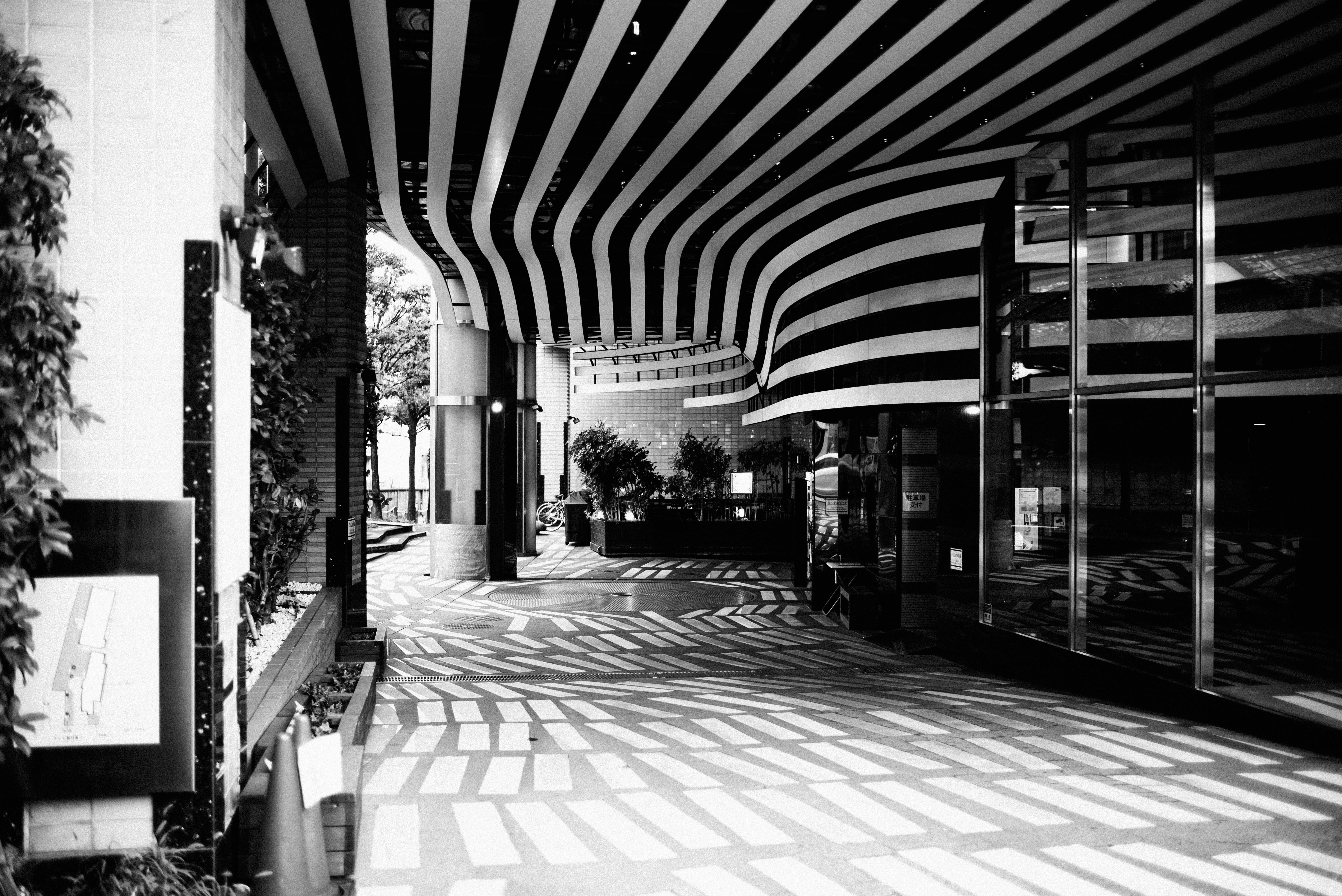
So that era of my life feels, largely, over. Not because I stopped seeing — I never stopped seeing, I still frame compositions in my mind everywhere I go — but because the instrument that translated my seeing into permanent form is no longer at hand. It's like a pianist who can still hear the music but no longer has access to a concert grand. The music doesn't stop. You just can't play it for anyone.
What Remains
I'm not writing this for sympathy. I'm writing it because I think there's something worth examining in the relationship between an artist and their tools, between creative work and the platforms that give it life, between a body of work and the question of what happens to it.
Sixty thousand images is a significant artistic output. Some of those photographs are, I believe, genuinely good work. Work I was featured on the Leica Camera Blog for. Work that taught me more about seeing, patience, and presence than any meditation practice ever did.
Photography taught me that constraints foster creativity — an insight that became the foundation of my software design philosophy. It taught me that the best tool is the one you have with you, that composition matters more than resolution, that the decisive moment is the one you experience yourself rather than the one stolen from your eye by a mirror. These lessons live in everything I build.
The images are here, scattered across this site and archived in my library. They aren't going anywhere. And maybe that's enough — maybe the work doesn't need a platform or a community or a golden age of photo-sharing to justify its existence. Maybe 60,000 acts of careful seeing are their own reward.
But I'd be lying if I said I didn't miss it. The weight of the Monochrom in my hand. The quiet click of that shutter. The way a city reveals itself differently when you're hunting for light.
The moments are still out there. I just can't catch them anymore.
Update: I built the thing. Three days after writing this essay, I sat down and built photos.kennethreitz.org — a personal photography portfolio that organizes everything by the gear that made it. Browse by camera, lens, city, or AI-generated tags. Every image has EXIF metadata extracted, GPT-4o-generated titles and descriptions, and is searchable. Over 12,000 images are live. The sixty thousand finally have a home. I'll write more about how it was built soon.
Explore more of my photographic work at photos.kennethreitz.org, or read my earlier essays on the philosophy of the craft: The Misunderstood Leica Monochrom and Photography: The Navigation of Choice.


